Kenya’s most visited parks attract most of the attention, and most of the vehicles. The Masai Mara fills with Land Cruisers during migration. Amboseli crowds around the elephant herds beneath Kilimanjaro. Tsavo West receives a fraction of their visitor numbers and holds wildlife in a landscape so vast that you can drive for an hour without seeing another vehicle.
Tsavo West National Park covers over 9,000 square kilometres of ancient volcanic terrain in southeast Kenya. It is the larger of the two Tsavo parks and the more dramatically varied in landscape. Lava flows from thousands of years ago still define the terrain. Natural springs rise from underground aquifers to feed permanent, crystal-clear pools in the middle of arid bush. Black rhino were reintroduced here. Leopard density is among the highest in Kenya.
The park is not for every traveller. Its scale and relative obscurity mean that poor camp positioning can result in long, unproductive drives. But for those who go prepared, Tsavo West delivers a depth of wilderness experience that the more famous parks struggle to match.
What Makes Tsavo West Different from Other Kenya Parks?
Three things define Tsavo West as a safari destination and separate it from the rest of Kenya’s major parks.
Scale. The park is enormous. This creates a sensation of true wilderness that crowded reserves cannot replicate. A game drive here feels exploratory in a way that the main Masai Mara struggles to deliver during peak season, when traffic at a major sighting can run to a dozen vehicles.
Landscape variety. Within a single morning drive, you move between volcanic lava fields, open savannah, dense riverine forest, swamp edges, and rocky outcrops. The terrain keeps changing, which keeps the wildlife unpredictable.
Water. The Mzima Springs are the park’s defining feature: ancient volcanic aquifers that push 50 million gallons of water daily to the surface, creating permanent hippo pools, crocodile habitat, and corridors of lush vegetation in the middle of dry country. An underwater viewing chamber lets you watch hippos moving through the water below. Nothing else in Kenya is quite like it.
Wildlife in Tsavo West: What to Expect
Tsavo West holds the full range of East African wildlife, including several species that are harder to find in more visited parks.
Elephant: Tsavo holds some of Kenya’s largest elephant populations. The Tsavo elephants are larger on average than their Amboseli counterparts and turn a distinctive red colour from the laterite dust they roll in. Watching a herd of forty red elephants move through dry bush is something that takes a moment to process.
Lion: Tsavo lion prides are large and relatively secretive compared to Mara lions. The males here are historically mane-reduced, the so-called “Tsavo maneless lions” made famous by the Tsavo maneaters of the late nineteenth century. Sightings require more patience, but experienced local guides know where to look.
Leopard: The rocky terrain of Tsavo West is ideal leopard habitat. Sightings are more reliable here than in many Kenya parks, particularly along the Galana River boundary and around the Ngulia Hills area.
Black rhino: Tsavo West hosts a breeding population of black rhino at the Ngulia Rhino Sanctuary, a fenced section within the park. Guided walks within the sanctuary give visitors a chance to track rhino on foot with armed rangers.
Cheetah: Less common than in the Mara but present in the open grassland sections of the park.
Additional species: Hippo and crocodile at Mzima Springs, Grevy’s zebra in the northern sections, lesser kudu in dense bush, and exceptional birdlife including the Tsavo fiscal and various hornbill species.
Mzima Springs: The Park’s Most Remarkable Feature
Mzima Springs deserves its own section. Water from the Chyulu Hills volcanic aquifer travels underground for fifty kilometres before surfacing here in a series of pools. The springs produce water so clear you can see the bottom from the surface.
Resident hippo families spend daylight hours submerged in the pools. Crocodile rest on the banks. A boardwalk takes visitors along the spring edge, and a submerged concrete observation chamber allows you to watch hippos moving underwater with unexpected grace. On a good visit, you are eye-level with animals moving through their world, completely unaware of you behind the glass.
The springs sit approximately fifty kilometres inside the park from the Mtito Andei gate. Plan a full morning here as part of a game drive that loops back through the Ngulia Hills.
Hidden Gems in Tsavo West
Most visitors see Mzima Springs and consider the tick box checked. These are the less-visited spots that experienced Tsavo guides know and that make a significant difference to the quality of the trip.
Roaring Rocks: A volcanic plateau with sweeping views across the park. The updrafts here make it productive for raptor watching. A strong choice for a sundowner stop at the end of an afternoon drive.
Ngulia Hills: The forested escarpment on the park’s northern edge hosts one of East Africa’s most important migratory bird banding stations. Between November and January, over 100 species move through in a single week. If birdwatching is a priority, this is reason enough to plan a Tsavo West visit in this window.
Poacher’s Lookout: A high point above the Galana River with 360-degree views and reliable leopard activity in the rocky slopes below. The name comes from the anti-poaching surveillance history of the site.
Lake Jipe: On the Tanzanian border at the park’s southern tip. Flamingo, hippo, and exceptional birdlife in a setting that feels entirely separate from the rest of Tsavo. The drive to get there is long enough that most day-trip visitors skip it, which means it remains genuinely quiet.
Shetani Lava Flows: Ancient black lava fields covering several kilometres of the park’s southern section. The Maasai word shetani means “devil”: the lava was so destructive when it flowed that local communities believed supernatural forces were responsible. Walking on the hardened flow with a guide is unlike anything else on a Kenya safari.
Best Camps in Tsavo West
Finch Hattons (Luxury)
The most celebrated lodge in Tsavo West and one of the finest in Kenya. Set on a natural spring near Poacher’s Lookout, Finch Hattons offers canvas suites with private plunge pools, a swimming pool fed directly by spring water, and dining that consistently outperforms most safari camps in its price category.
The guiding here is excellent. Night drives are available. Walking safaris to the spring and surrounding bush are included.
Price: From $700 per person per night, all-inclusive.
Severin Safari Camp (Mid-Range)
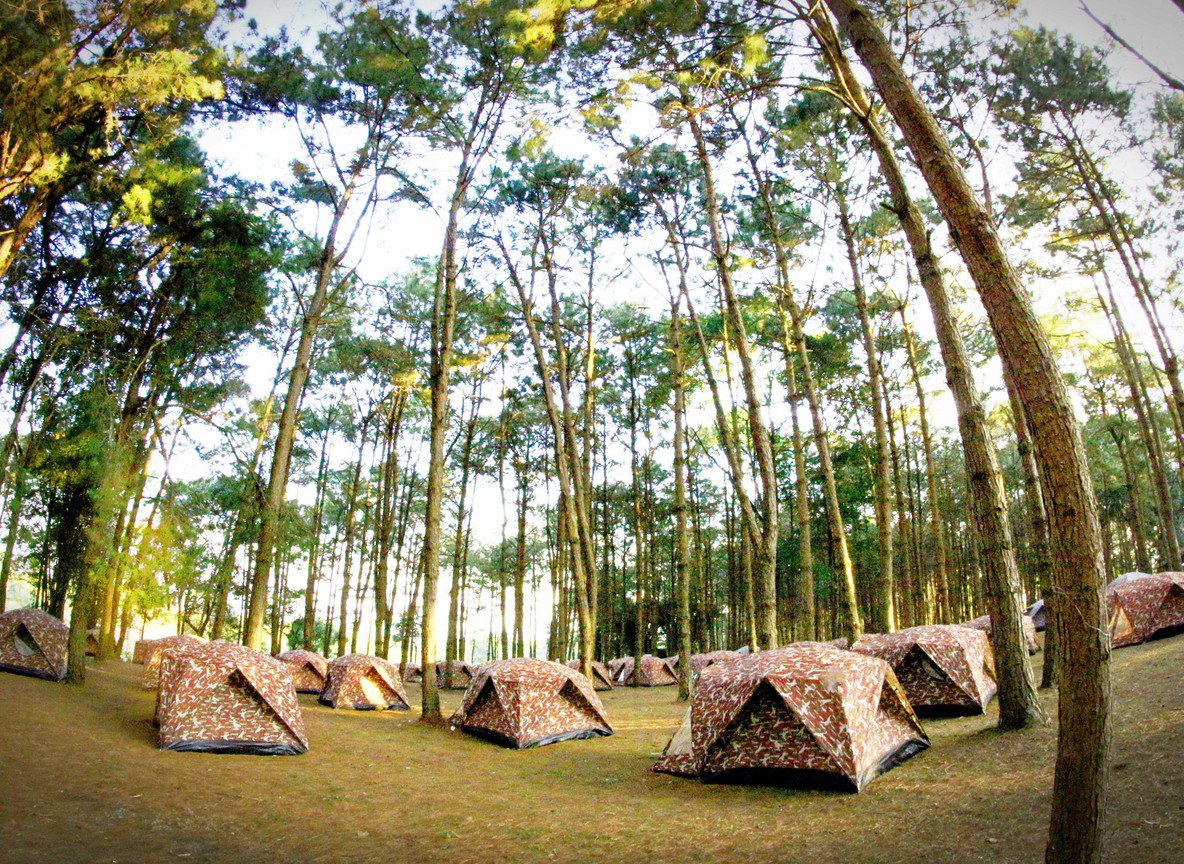
Well-positioned near the Mzima Springs area with reliable wildlife access. The camp has a swimming pool, good food, and game drives that cover the park efficiently. A consistent choice for value-conscious travellers who want a proper tented camp experience without the top-end price.
Price: From $250 per person per night, all-inclusive.
Kilaguni Serena Safari Lodge (Mid-Range, Classic)
The oldest lodge in Kenya, built in 1962. Kilaguni sits above a permanent watering hole that attracts elephant, buffalo, and antelope continuously. The lodge has history written into its architecture and setting. For travellers who value authenticity and wildlife proximity, the waterhole experience here is difficult to match.
Price: From $220 per person per night, all-inclusive.
Ngulia Safari Lodge (Budget)
A Kenya Wildlife Service-operated lodge near the Ngulia Rhino Sanctuary. Accommodation is basic, but the location and the migratory birdwatching in November through January make it a serious destination for wildlife-focused travellers on tighter budgets.
Price: From $120 per person per night, full board.
Camp Comparison Table
| Camp | Style | Price (per person per night) | Pool | Rhino Access | Night Drives |
|---|---|---|---|---|---|
| Finch Hattons | Ultra-luxury | From $700 | Yes (spring-fed) | Guided walk | Yes |
| Severin Safari Camp | Mid-range tented | From $250 | Yes | Vehicle | Limited |
| Kilaguni Serena | Mid-range lodge | From $220 | Yes | Vehicle | No |
| Ngulia Safari Lodge | Budget | From $120 | No | Walk | No |
Tsavo West from Diani Beach: A Natural Combination
Tsavo West sits geographically between Nairobi and the Kenyan coast, making it the obvious safari component for visitors based on the beach. The drive from Diani Beach to the Mtito Andei gate runs approximately 3.5 to 4 hours. Many travellers who fly into Mombasa for a coastal stay add two to three nights in Tsavo West either at the start or end of their trip.
This combination is among the most underrated safari-and-beach options in East Africa. You don’t need to return to Nairobi. The park is accessible directly from the coast. Transfers from Diani to Tsavo West can be arranged directly through operators with established camp relationships.
A sample structure: four nights Diani Beach, transfer to Tsavo West for two nights (Finch Hattons or Severin), then continue to Nairobi by road (approximately 4.5 hours) for departure. Total trip: seven nights, combining beach and bush without doubling back.
Walking Safaris in Tsavo West
Walking safaris in Tsavo are one of the most direct ways to change your relationship with the African bush. On foot with an armed Kenya Wildlife Service ranger, distances that feel abstract from a vehicle become immediate. You read tracks, identify plants, learn to move quietly, and begin to understand why wildlife behaves the way it does at any given moment.
Walking safaris are available from most Tsavo West camps on request. The terrain near Mzima Springs and along the Chyulu Hills boundary offers some of the best walking in Kenya. Minimum fitness level: comfortable walking three to four hours on uneven ground.
Walking safaris generally need to be requested before arrival rather than arranged on the spot. Confirm availability and guide assignment when you book your camp.
When to Visit Tsavo West
| Season | Conditions | Wildlife Visibility | Price Level |
|---|---|---|---|
| January to February | Dry, warm | Excellent | Mid |
| March to May | Long rains | Good (lush, green) | Low (value) |
| June to July | Dry season begins | Very good | Mid |
| August to October | Dry season peak | Excellent | High |
| November to December | Short rains | Good | Low (value) |
Best overall: January to February and August to October. Dry season concentrates wildlife around water sources, particularly Mzima Springs. Elephant herds in these periods can number in the hundreds.
Best value: March to May and November to December. The park quiets significantly and camps discount rates by 20 to 30 percent. The landscape turns green and dramatic. Birdwatching peaks during the November to January migratory period, making Ngulia Hills particularly productive.
Practical Planning Notes
Tsavo West rewards correct camp selection more than most Kenya parks. The scale means a poorly positioned camp can leave you driving long distances for wildlife that more strategically placed properties access easily. Research where your camp sits relative to Mzima Springs, the Ngulia Hills, and the Galana River corridor before you book.
For a first visit, Finch Hattons or Severin Safari Camp cover the park’s core experiences well and are positioned to cover Mzima Springs, Roaring Rocks, and the Poacher’s Lookout area without extended transit drives.
If you are combining Tsavo West with the coast, plan your camp choice around the direction of travel. Camps nearer the Mtito Andei gate are more accessible from Nairobi. Camps nearer the Tsavo gate work better for coast arrivals coming up from Mombasa.
Where to Go From Here
Tsavo West rewards the traveller who takes time to understand it before arriving. The park does not broadcast its highlights the way the Mara does. The red elephants, the underground water, the leopard on the rocks, the lava fields stretching to the horizon: these are experiences that come to those who know where to look.
For broader Kenya safari planning advice, see the Tourinsights Kenya parks guide. For the coast-and-safari combination in more detail, read our Diani Beach and Tsavo itinerary guide. Operators running direct Diani-to-Tsavo West transfers with established camp relationships include Trunktrails Safaris.
Every trip described here can be tailored: dates, budget, camps, and pace built around you.
Get a Personalised SafariFurther reading
More safari planning resources
- Map of Tsavo from Valley Safaris
- Tsavo destination guide on FindMySafari
- Big Five safari collection on FindMySafari
- Diani Beach guide on FindMySafari
Related guides: What to Wear in Tsavo West National Park for Safari.